Culver City & nearby
Pipe Lining in Culver City, Palms and West Los Angeles
Plumbing Stars serving Culver City — drain cleaning, camera inspections, water heater replacement, and sewer repair with City of Culver City permit coordination. This page covers Culver City and surrounding communities including Palms and West Los Angeles. Our pipe lining work across Culver City and surrounding communities including Palms and West Los Angeles is camera-diagnosed when needed, quoted flat-rate in writing, and backed by a written guarantee.
Pipe Lining near Culver City
This page covers pipe lining for Culver City and surrounding communities including Palms and West Los Angeles.
What CIPP Lining Does
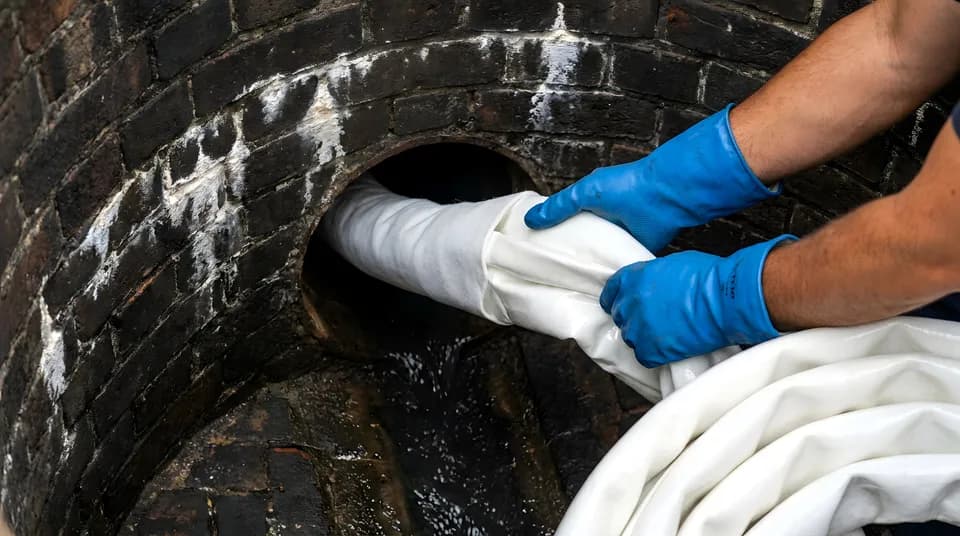
Cured-In-Place Pipe (CIPP) lining is a trenchless method for rehabilitating damaged or deteriorating sewer lines without replacing them. A felt or fiberglass liner saturated with epoxy resin is inserted into the existing pipe, inflated to press against the walls, and then cured — using hot water, steam, or UV light — into a hard, seamless pipe inside the old one.
The result is a structurally independent pipe that seals cracks, covers root entry points, spans offset joints, and restores full flow capacity. No excavation required.
What Lining Fixes
- ✓Hairline cracks and stress fractures in the pipe wall
- ✓Corrosion in cast iron lines
- ✓Root entry points at pipe joints (epoxy surface is impenetrable to roots)
- ✓Minor joint offsets and separations that would otherwise require spot excavation
- ✓Age-related deterioration in clay tile pipe
- ✓Leaking lateral connections and service connections
The Five-Step Lining Process
Camera inspection
We document the pipe's current condition and confirm lining is structurally appropriate.
Cleaning and preparation
The pipe is cleaned thoroughly — roots, debris, grease, and scale removed so the resin bonds directly to the wall. Heavy cast iron buildup may require mechanical pipe descaling before hydro jetting.
Liner installation
The resin-saturated liner is positioned inside the pipe using air pressure or a pull cable from the access point.
Curing
Hot water, steam, or UV light activates the resin, hardening the liner to the pipe wall. This typically takes 2–4 hours.
Final camera inspection
We verify the new surface, confirm full diameter, and document the finished liner before closing up.
Preparing the Pipe for Lining
CIPP lining requires a clean host pipe — the epoxy must bond directly to the wall. When aging cast iron or clay laterals have heavy rust scale or mineral buildup, we recommend mechanical pipe descaling before lining. Descaling restores the interior diameter; lining then seals and reinforces the pipe structurally.
If the pipe is too deteriorated for lining to be effective, we will recommend trenchless replacement or traditional excavation instead.
50-Year Service Life
A properly installed CIPP liner is rated for 50 years. The epoxy surface is non-corrosive, impermeable to water infiltration, and smooth enough to actually improve flow rates in pipes that previously had heavy mineral buildup. Our installations come with a written guarantee covering materials and workmanship.
Local know-how for pipe lining in Culver City and surrounding communities including Palms and West Los Angeles
Permitting
Culver City is a separately incorporated city — plumbing permits go through Culver City Building Safety, not LADBS.
Housing & pipe stock
Culver City mixes bungalows, mid-century homes, and newer multifamily near studio and downtown corridors. Older homes frequently need drain and water-heater attention; remodeled properties may have mixed pipe materials.
Terrain
Mostly gentle Westside grades with standard lateral connections — access constraints on denser lots matter more than steep terrain.
Trees & roots
Mature street trees in older neighborhoods contribute to root intrusion in aging sewer laterals.
Pipe Lining for Culver City and surrounding communities including Palms and West Los Angeles
Cured-in-place epoxy (CIPP) lining — a new seamless pipe inside the old one, without excavation.
See the county-wide pipe lining page, return to plumbing in Culver City and nearby areas, or browse the full service areas index.
Common questions about pipe lining
What is CIPP pipe lining?
Cured-In-Place Pipe (CIPP) lining inserts a resin-saturated liner into your existing sewer line, inflates it against the pipe wall, and cures it into a hard, seamless pipe inside the old one. It seals cracks, stops leaks, and blocks root entry — all without excavation.
Will lining reduce my pipe's interior diameter?
Slightly. The liner wall is typically 5–8mm thick. For a standard 4-inch residential pipe, this reduces the interior by less than 10% and has no measurable impact on flow — the smooth epoxy surface actually improves flow compared to a corroded or scale-coated original.
Can you line a pipe that has tree roots in it?
Yes, but the roots must be removed first. We use mechanical cutting and pipe descaling followed by hydro jetting to clear the pipe completely. The cured epoxy liner then creates a sealed interior surface that roots cannot penetrate.
How does CIPP compare to pipe bursting?
CIPP lining is ideal when the existing pipe's structure is largely intact but has cracks, leaks, or root entry points — the liner reinforces what is already there. Pipe bursting is used when the pipe is too deteriorated to serve as a structural guide and a completely new pipe is needed.
Does the pipe need to be cleaned before lining?
Yes. The host pipe must be free of scale, grease, and debris so the epoxy bonds directly to the wall. Heavy cast iron buildup may require mechanical pipe descaling before hydro jetting — we handle both steps when needed.
How long does pipe lining take?
Most residential CIPP projects complete in a single day. The curing process itself takes 2–4 hours depending on the liner material and method used, with camera verification before we close up.
Common questions about plumbing in Culver City and nearby communities
Who issues Culver City plumbing permits?
Culver City Building Safety. It’s an independent city, not LADBS territory.
Do studio-adjacent apartments need different plumbing service?
The fixtures are similar, but shared laterals and HOA rules often apply. We diagnose carefully and document findings for managers.
Can you same-day replace a water heater in Culver City?
Often for standard tank replacements. Tankless upgrades may need additional gas/electric and permit prep.
Is trenchless sewer repair available here?
Yes — especially useful where driveways and landscaping would make open-trench work expensive.
Other Los Angeles County cities
Browse other local plumbing hubs in the same county, or return to the full service areas index.
Need pipe lining in Culver City, Palms and West Los Angeles?
Flat-rate pricing, camera diagnostics, and 24/7 emergency response for Culver City and surrounding communities including Palms and West Los Angeles.